


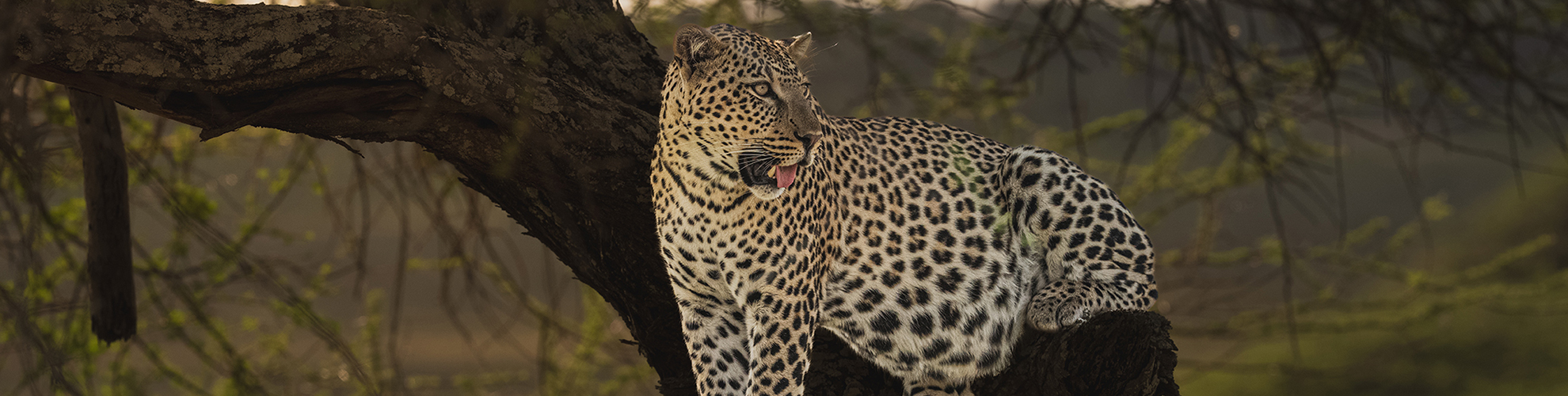
Combine Tanzania and Kenya through a well-structured 10–14 day safari that covers at least two key ecosystems in each country, aligns with the timing of the Great Wildebeest Migration, and connects the Maasai Mara National Reserve with the Serengeti National Park via either the Isebania border crossing by road or short regional flights, with the option to extend the journey to the Ngorongoro Crater or Zanzibar for a more comprehensive safari experience. This structure ensures logical routing, minimizes backtracking, and places you in the highest wildlife-density areas across both countries.
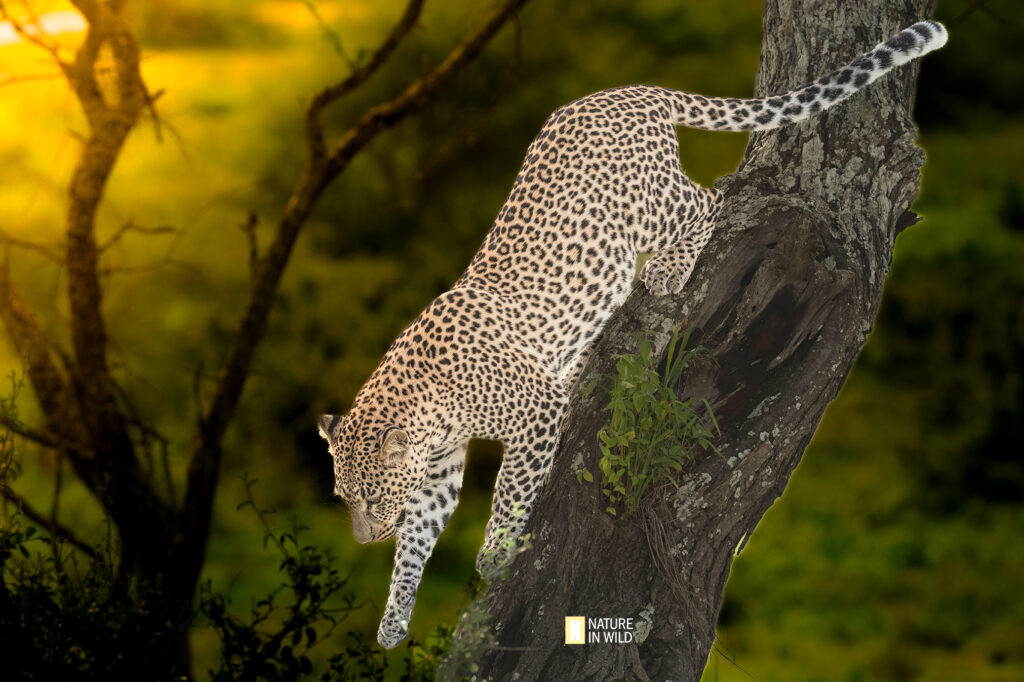
At Bobu Africa, we refine this further by designing the journey as a continuous ecological experience rather than a cross-border itinerary. Kenya and Tanzania are not separate safari systems—they are part of the same wildlife corridor, and the goal is to move through it in a way that feels natural, efficient, and aligned with wildlife movement.
The foundation of any successful Kenya–Tanzania safari is the Great Wildebeest Migration, which dictates where the highest concentration of wildlife will be at any given time. This migration is not static; it is a year-round cycle driven by rainfall and grazing patterns. From January to March, the herds concentrate in the southern Serengeti and Ndutu plains for calving. Between April and June, they move north through the central and western Serengeti. From July to October, they reach the northern Serengeti and cross into the Maasai Mara, where river crossings occur. By November and December, they begin their return south. Structuring your safari around this movement is what transforms a standard trip into a strategically positioned experience.
A well-sequenced itinerary typically begins in Kenya, with arrival in Nairobi followed by travel to the Maasai Mara. This reserve offers some of the most consistent predator sightings in Africa, with open terrain that allows for clear visibility and strong photographic opportunities. If traveling during the migration crossing season, the Mara becomes a focal point for high-intensity wildlife encounters. From here, the journey transitions into Tanzania, either via the Isebania border or by air transfer into the Serengeti. This shift introduces a broader landscape and a more expansive safari experience, where wildlife is spread across vast plains and movement becomes part of the narrative.
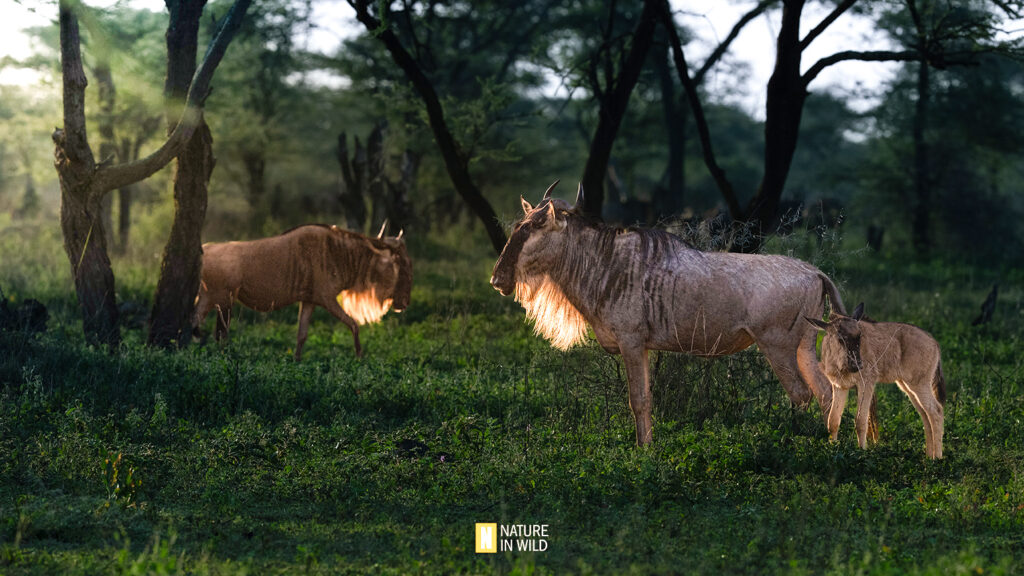
Continuing into the Serengeti allows you to follow the migration deeper into its cycle, depending on the season. Central Serengeti is productive year-round, particularly for big cats, while the southern plains become critical during calving season. Adding the Ngorongoro Crater at the end of the itinerary provides contrast—its enclosed ecosystem supports one of the highest densities of wildlife in Africa, offering reliable sightings in a compact area.
Logistics are a critical component of making this combination work efficiently. Road transfers between Kenya and Tanzania are viable and offer continuity, but they require time and endurance. For travelers prioritizing comfort and maximizing time in the field, fly-in connections are often the more effective option. These reduce transit time significantly and allow for more game drives, which ultimately enhances the overall experience.
The duration of your safari directly impacts its quality. While shorter itineraries can cover both countries, they often compromise depth. A minimum of 10 days allows for a balanced experience, while 12 to 14 days provides the flexibility to fully engage with each destination. This ensures that you are not simply passing through locations, but actually experiencing them under varying conditions and times of day.
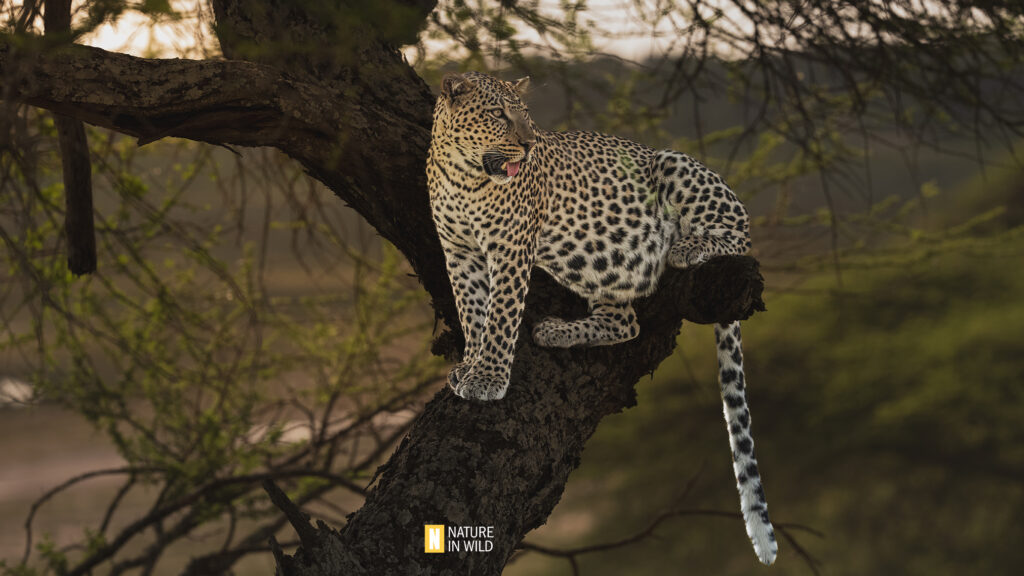
What distinguishes a well-designed Kenya–Tanzania safari is the sense of continuity it creates. You are not just visiting multiple parks—you are following a living system. The transition from the Maasai Mara to the Serengeti, and then to Ngorongoro, reveals different aspects of the same ecosystem, from predator-prey dynamics to landscape variation and wildlife density.
However, achieving this requires precision in planning. One of the most common errors is misalignment with seasonal wildlife movement, which can significantly reduce the quality of sightings. Another is overloading the itinerary with too many destinations, resulting in excessive travel time and limited immersion. At Bobu Africa, we prioritize strategic pacing and ecosystem flow, ensuring that every movement within your itinerary serves a clear purpose.
Ultimately, combining Tanzania and Kenya is the most comprehensive way to experience East Africa. It allows you to move beyond isolated sightings and into a broader understanding of how wildlife, landscape, and seasonality interact. When executed correctly, it becomes a safari that is not only visually rewarding, but also deeply coherent.
If you’re ready to plan a cross-border safari that is structured, efficient, and aligned with the best wildlife opportunities, reach out to Bobu Africa or send us a message with “COMBO SAFARI”. We’ll design a tailored itinerary that connects Kenya and Tanzania into one seamless, high-impact experience
Plan Your Journey
If you are deciding between Kenya and Tanzania for your first safari, Bobu Africa can help you compare route designs side by side, with clear tradeoffs in pace, wildlife focus, comfort level, and budget shape so you can choose confidently and travel better from day one.